
Best Doctor For Kidney Stones Treatment in Andheri

Stone Surgery (Laser & Minimal Cut)

Best Doctor For Kidney Stones Treatment in Andheri

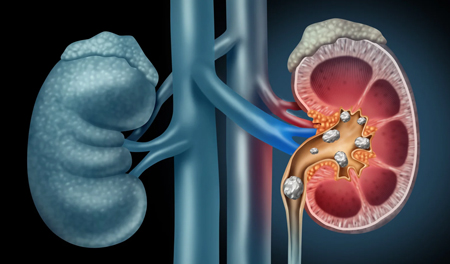
Stone surgery with laser and minimal cut techniques offers a precise, pain-minimized solution for removing kidney, ureteric, and bladder stones. Find here Best Doctor For Kidney Stones Treatment in Andheri. Using advanced endoscopic and laser technology, these procedures ensure faster recovery, minimal scarring, and excellent outcomes — all while preserving kidney function and patient comfort.

Advanced Treatments

  • Laser Lithotripsy (RIRS / URS) – Uses a high-energy laser to break stones into fine fragments without any external incision.
  • PCNL (Percutaneous Nephrolithotomy) – A minimally invasive technique involving a small incision to remove large or complex kidney stones.
  • Mini PCNL & Micro PCNL – Modern refinement of PCNL using smaller instruments for reduced pain and quicker recovery.
  • Ureteroscopy (URS) – Endoscopic removal of ureteral stones with a flexible scope, avoiding major surgery or cuts.
  • ESWL (Shock Wave Lithotripsy) – Non-invasive treatment that uses focused sound waves to break stones for natural passage. Find here Best Doctor For Kidney Stones Treatment in Andheri

Symptoms & Causes

Common Symptoms:

  • Severe pain in the lower back, abdomen, or groin (renal colic)
  • Blood in urine or burning sensation while urinating
  • Nausea, vomiting, or frequent urge to urinate
  • Difficulty passing urine due to obstruction or infection

Common Causes:

  • Low water intake leading to concentrated urine
  • High salt, sugar, or protein intake in the diet
  • Genetic predisposition or family history of kidney stones
  • Chronic urinary tract infections or metabolic disorders

Prevention & Post-Surgery Care

  • Stay well-hydrated — drink adequate water daily to prevent stone formation
  • Limit salt, processed food, and animal protein in your diet
  • Follow a balanced diet as per your nephrologist’s guidance
  • Undergo regular kidney health check-ups and imaging follow-ups post-surgery
Reconstructive Surgery & Andrology

Reconstructive Surgery & Andrology (Male Sexual Problems)

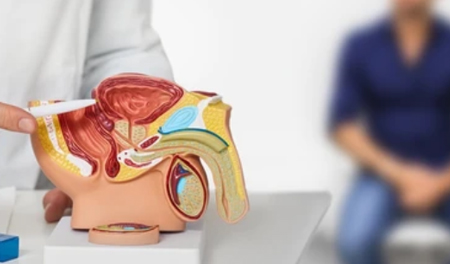
Reconstructive andrology addresses structural, functional and sexual health issues in men using advanced urological and microsurgical techniques. From repairing trauma-related damage to restoring urinary and sexual function, our multidisciplinary approach blends surgical precision with compassionate, confidential care to improve quality of life. Find here Best Doctor For Kidney Stones Treatment in Andheri

Treatments & Procedures

  • Peyronie’s Disease Correction – Plaque removal or grafting and penile straightening techniques to correct curvature and restore function.
  • Penile Implant Surgery – Inflatable or malleable prostheses for treatment of refractory erectile dysfunction.
  • Urethral Reconstruction & Stricture Repair – End-to-end anastomosis, grafting or staged repairs to restore normal urinary flow.
  • Reconstructive Microsurgery – Microvascular repair for trauma, penile replantation, and complex soft-tissue reconstruction.
  • Vasovasostomy & Vasoepididymostomy – Reversal of vasectomy and microsurgical correction for obstructive azoospermia.
  • Fracture Penis Repair & Trauma Management – Emergency and elective repair to preserve anatomy and function.

Symptoms & Causes

Common Symptoms:

  • Erectile dysfunction not responding to medical therapy
  • Painful or bent erection, penile curvature or lump
  • Weak urinary stream, straining or recurrent urinary infections
  • Post-traumatic deformity, scarring or loss of penile tissue
  • Infertility due to obstructive causes or prior surgery

Common Causes:

  • Trauma or injury to the genital or pelvic area
  • Post-surgical strictures or complications
  • Fibrotic conditions such as Peyronie’s disease
  • Vascular or neurogenic causes of erectile dysfunction
  • Infectious or inflammatory conditions causing scarring

Prevention, Recovery & Support

  • Early evaluation and specialist referral for penile deformities or sexual dysfunction
  • Safe sexual practices and prompt treatment of infections to prevent long-term damage
  • Comprehensive pre-operative counselling and realistic expectation setting
  • Structured post-operative care including wound care, physiotherapy, and sexual rehabilitation
  • Psychological counselling and couple-centred support for emotional and relational recovery
Female & Paediatric Urology

Female & Paediatric Urology

Female and Paediatric Urology focuses on the diagnosis and treatment of urinary tract and genital conditions unique to women and children. Combining expertise with gentle, patient-centred care, our specialists provide advanced, minimally invasive solutions to restore urinary health, comfort, and confidence across all ages. Find here Best Doctor For Kidney Stones Treatment in Andheri

Treatments & Procedures

  • Urinary Incontinence Management – Evaluation and minimally invasive procedures for stress and urge incontinence in women.
  • Pelvic Organ Prolapse Repair – Surgical and non-surgical correction of bladder, uterine, or vaginal prolapse to restore pelvic support.
  • Vesicovaginal Fistula & Urethral Reconstruction – Expert repair of urinary tract fistulas and strictures to restore normal urinary function.
  • Paediatric Urology – Treatment for congenital and developmental disorders such as hypospadias, posterior urethral valves, and vesicoureteral reflux.
  • Endoscopic & Laparoscopic Surgeries – Keyhole procedures for paediatric and female urological conditions ensuring faster recovery and minimal scarring.

Symptoms & Causes

Common Symptoms in Women & Children:

  • Frequent or painful urination
  • Uncontrolled urine leakage (incontinence)
  • Recurrent urinary tract infections (UTIs)
  • Abdominal pain or difficulty urinating in children
  • Swelling or abnormal genital appearance in newborns

Common Causes:

  • Congenital urinary tract abnormalities in children
  • Weak pelvic floor muscles due to childbirth or aging
  • Infections, trauma, or previous surgeries affecting urinary structures
  • Hormonal changes or neurological disorders impacting bladder control

Prevention & Family-Centred Care

  • Encourage regular hydration and good toilet habits in children
  • Pelvic floor exercises and physiotherapy for urinary control in women
  • Prompt treatment of UTIs and timely evaluation of urinary symptoms
  • Regular follow-ups with a urologist for congenital or post-surgical conditions
  • Supportive counseling for parents and families managing paediatric urology conditions
Nephrology

Nephrology

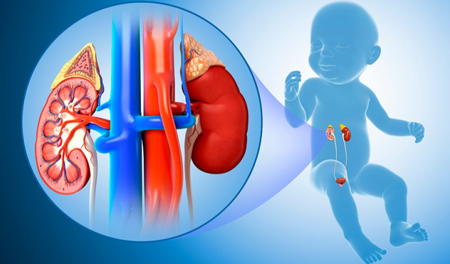
Nephrology focuses on the diagnosis, treatment, and prevention of kidney-related disorders. With advanced technology and expert nephrologists, our unit provides comprehensive care for patients with acute kidney injury, chronic kidney disease, hypertension, and electrolyte imbalances — ensuring optimal kidney function and long-term health.

Treatments & Services

  • Chronic Kidney Disease (CKD) Management – Early diagnosis, slowing progression, and lifestyle modification for kidney health.
  • Acute Kidney Injury (AKI) Care – Immediate evaluation and treatment to restore kidney function and prevent complications.
  • Hypertension & Diabetic Kidney Disease – Targeted medical management to protect kidney function in lifestyle-related disorders.
  • Glomerular & Autoimmune Disorders – Specialized care for nephritis, lupus nephritis, and other immune-mediated renal diseases.
  • Renal Replacement Therapy – Hemodialysis, peritoneal dialysis, and CRRT for patients with end-stage kidney disease.
  • Pre & Post Kidney Transplant Care – Comprehensive medical evaluation, coordination, and follow-up for transplant patients.

Symptoms & Causes

Common Symptoms:

  • Swelling of feet, face, or hands due to fluid retention
  • Fatigue, loss of appetite, or nausea
  • Reduced or foamy urine output
  • High blood pressure not controlled by medication
  • Persistent itching, cramps, or metallic taste in the mouth

Common Causes:

  • Diabetes mellitus and uncontrolled hypertension
  • Recurrent urinary tract infections or kidney stones
  • Autoimmune diseases such as lupus nephritis
  • Genetic or congenital kidney disorders
  • Use of nephrotoxic medications or dehydration

Prevention & Kidney Health Maintenance

  • Maintain adequate hydration and avoid excessive salt intake
  • Monitor blood pressure, blood sugar, and kidney function regularly
  • Limit over-the-counter painkillers and nephrotoxic drugs
  • Adopt a kidney-friendly diet under medical guidance
  • Consult a nephrologist promptly for early signs of kidney disease
Online Consultation